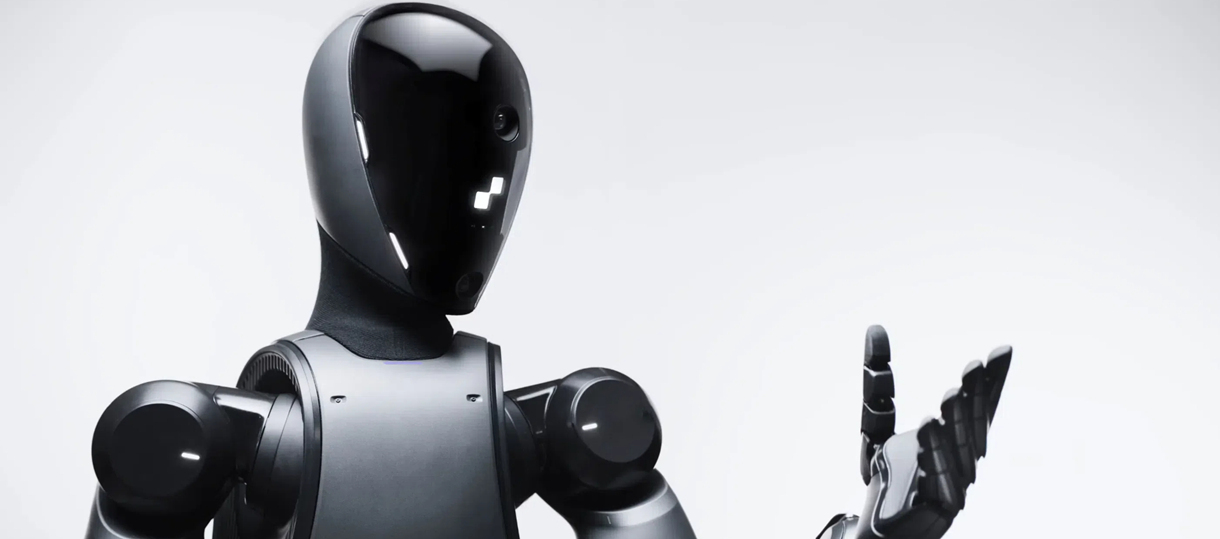
A humanoid robot is a type of robot designed to resemble and mimic human form and behavior. These robots are equipped with sensors, cameras, and AI algorithms, enabling them to interact with their environment and perform tasks similar to humans. Main applications of humanoid robots include healthcare, customer service, education, and manufacturing. Development trends in humanoid robots focus on improving their mobility, dexterity, and cognitive abilities, making them more autonomous, adaptable, and capable of complex interactions.
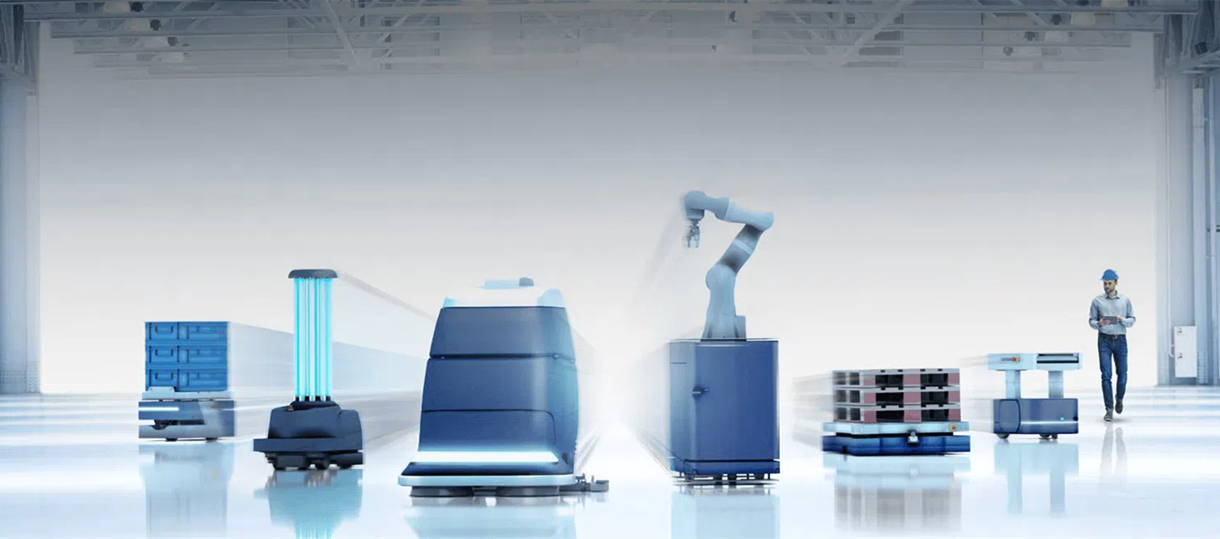
Mobile robots, particularly Autonomous Mobile Robots (AMRs), are autonomous machines designed to navigate and interact with their environment to perform specific tasks. These versatile devices find applications across industries, including manufacturing, logistics, healthcare, and even personal assistance. Current development trends focus on improving autonomy, energy efficiency, and adaptability, with the integration of AI and machine learning to enhance decision-making processes. Additionally, there is an increasing focus on human-robot collaboration, where robots are designed to work safely alongside humans. As technology continues to evolve, mobile robots are poised to revolutionize the way we work and live.
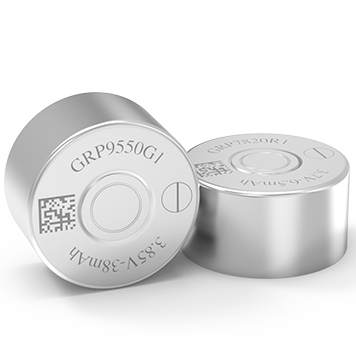
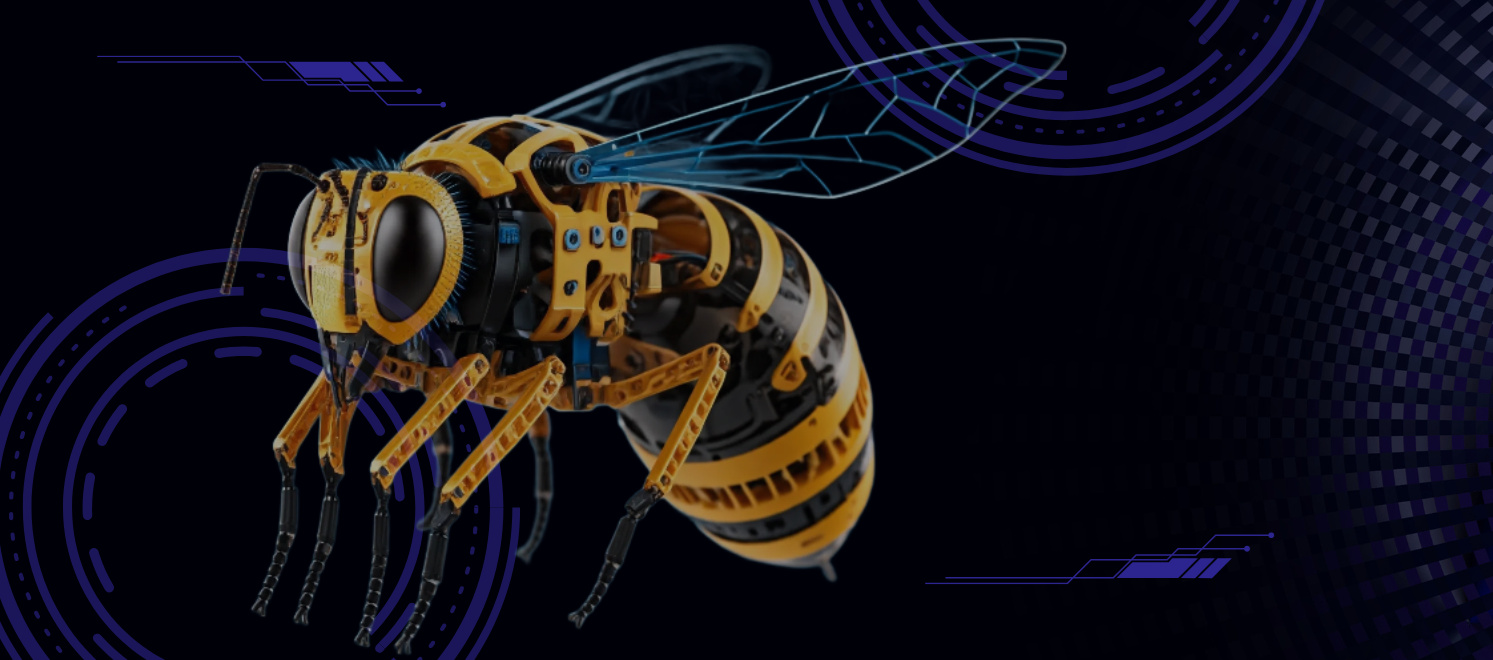
A bionic robot is a machine designed to imitate biological organisms, mimicking their movements, structures, or functions by combining advanced materials, sensors, and artificial intelligence. Potential applications for bionic robots include search and rescue operations, healthcare, manufacturing, and even companionship. The development of bionic robots focuses on improving their biomimetic accuracy, integrating AI for autonomy, and reducing size and weight for specialized applications. As technology continues to advance, bionic robots have the potential to revolutionize numerous industries and improve the quality of life for humans.
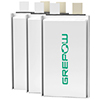
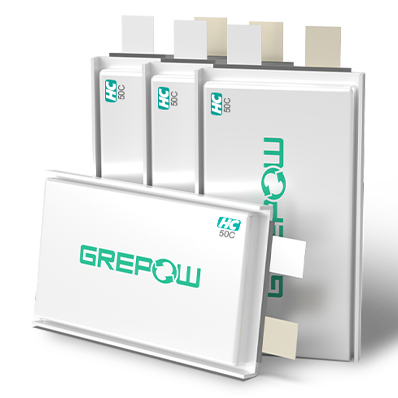
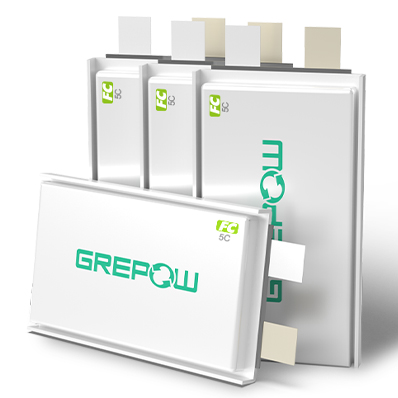
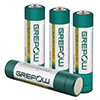
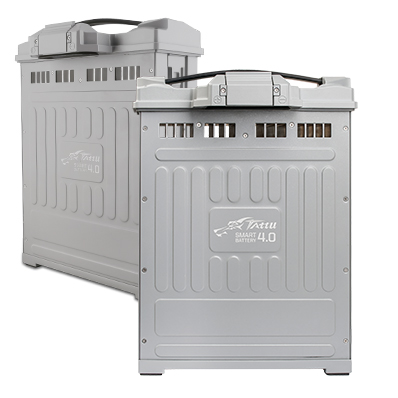
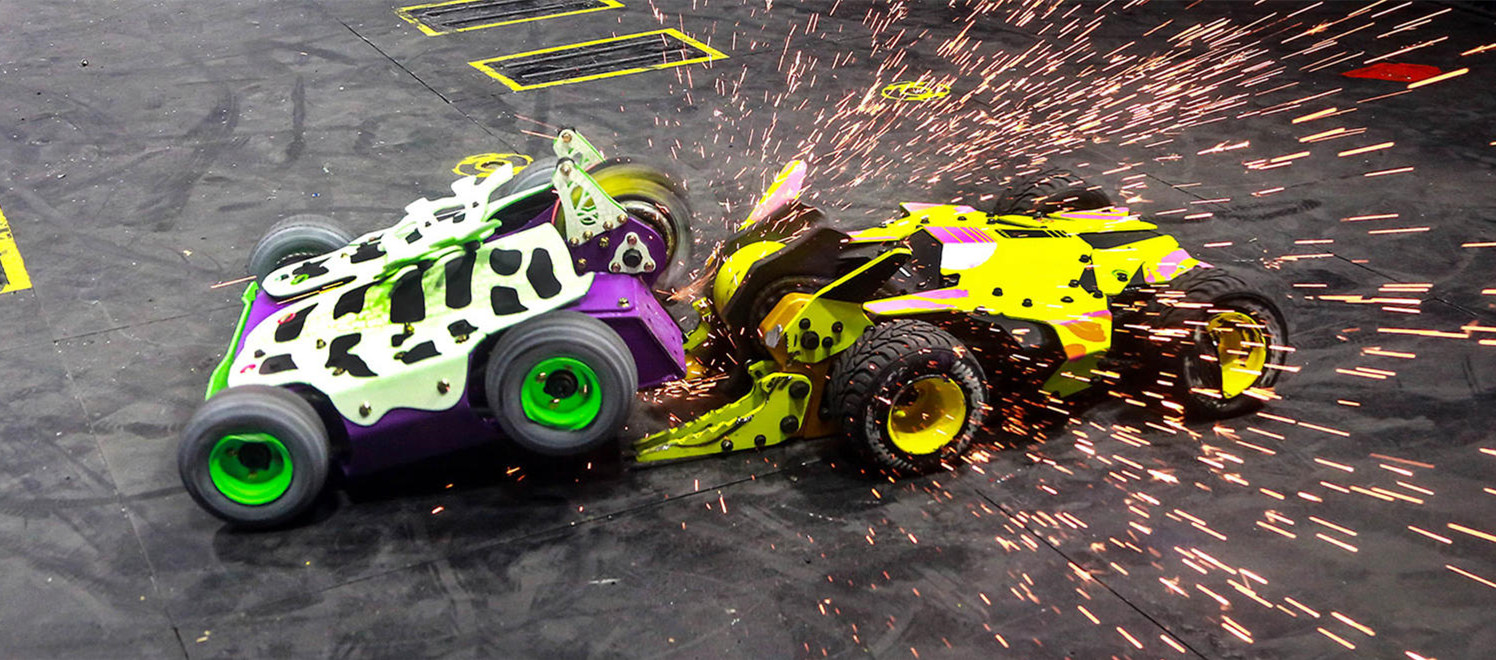
Combat robots are built for fighting competitions, featuring sturdy structures, powerful systems, and offensive weapons. They use high-rate batteries for quick energy bursts. Grepow, with its R&D team, specializes in high-rate LiPo cells and provides battery packs and safe charging solutions.