






















The Difference Between Lipo and NiMH Battery
The biggest difference between NiMH and LiPo batteries is the chemical properties that enable the charging of the batteries. NiMH (Nickel-metal hybrid) uses nickel-based technology and LiPo (Lithium Polymer) batteries use a lithium-ion technology. What the battery types have in common is that they both store a certain amount of energy depending on their capacity. Batteries can be manufactured with different voltages and capacities by installing battery cells in series or parallel inside the battery pack. One should be careful not to drop the batteries or damage the cases of the battery cells because it can cause a short circuit. Both battery types must be disposed of properly as hazardous waste.
The Batteries Differ in Their Properties and Uses.
NiMH batteries are easier to use. They must be fully discharged before charging and must be charged full before storing (Unless Manufacturer tells otherwise. Exampl. Traxxas). NiMH battery chargers are also very simple. LiPo batteries don’t have to be fully discharged and they must be stored with a 50-70 % charge level. The charging must be done with a charger with balance charging. It is good to charge and store LiPo batteries in a LiPo safe bag.
Properties and remarks on NiMH batteries:
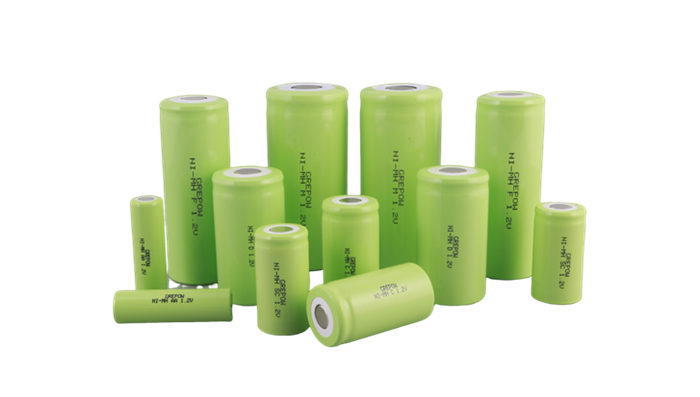
● Easy and worry-free charging and storing "Safe choice for beginners"
● Cheaper to manufacture
● A common battery type in home appliances and devices
● Rated voltage of cells 1.2V
● Must be fully discharged before charging
● Storing fully charged (Unless Manufacturer tells otherwise. Exampl. Traxxas)
● Batteries are built with standard sized cells with metal cases
● "Memory effect": Batteries must always be fully discharged in order to keep full capacity available
Properties and remarks on LiPo batteries:
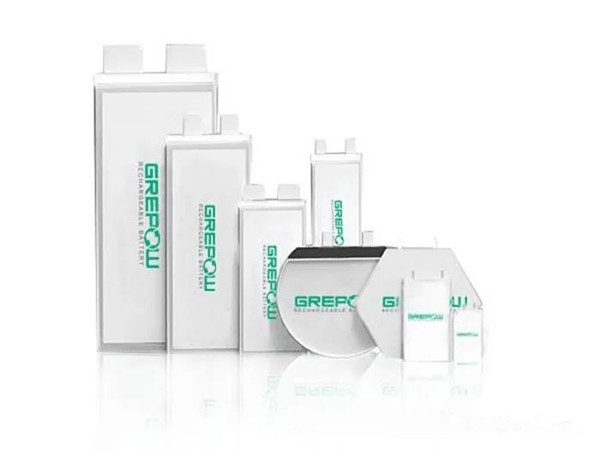
● Easy to use with the right devices
● Manufacturing process is more complicated
● Becoming a common battery type in home appliances and devices
● Rated voltage of cells 3.0 V when discharging
● A charger with balance charging must always be used for charging
● Storing with 50-70 % charge level (Voltage per cell 3.85V-3.9V)
● A LiPo safe bag must be used when charging and storing
● Lighter than NiMH
● Can be built in different sizes
● "Memory effect": almost non-existent, batteries don't have to be fully discharged before recharging
The advantages of lithium batteries compared to NiMH batteries are undeniable.
The weight/power ratio in LiPo batteries is significantly better. LiPo batteries are noticeably lighter and they can store the same amount or more energy relative to their capacity than NiMH batteries. The power output of LiPo batteries is greater in quality and quantity. The power output of LiPo batteries is steady throughout the discharge, whereas the power output of NiMH batteries starts to decrease soon after charging because of higher discharge rate of the battery type. Therefore with a LiPo battery with the same capacity as a NiMH battery a longer drive time and better performance can be achieved. Learn more about Nimh or Lipo Battery information, please pay more attention to Grepow blog, or email us: info@grepow.com


Related Articles
-

8S LiPo Battery Solutions for Large FPV Drones
2026-01-15 -
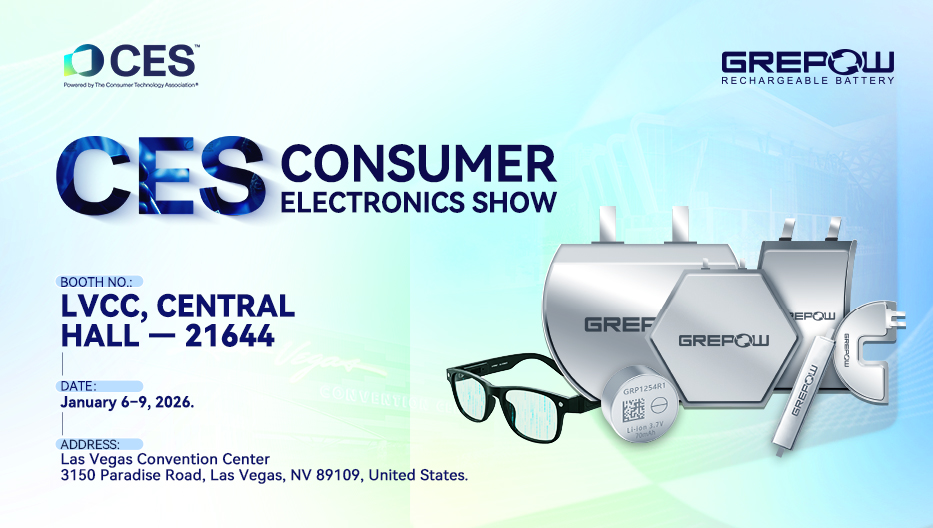
Discover Custom-Shaped Battery Solutions for Next-Gen Wearables at CES 2026
2025-12-17 -

FAI World Drone Soccer Championships 2025 Conclude in Shanghai
2025-11-19
Related products
-
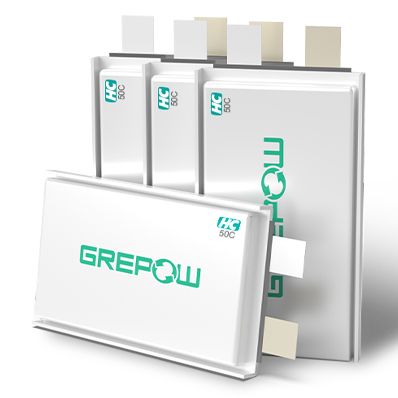
50C High Discharge Battery - High C Rate LiPo
-
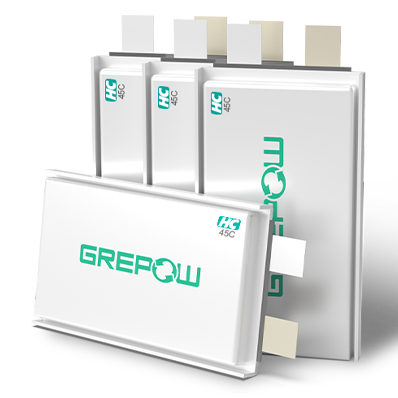
45C High Discharge Battery - High C Rate LiPo
-
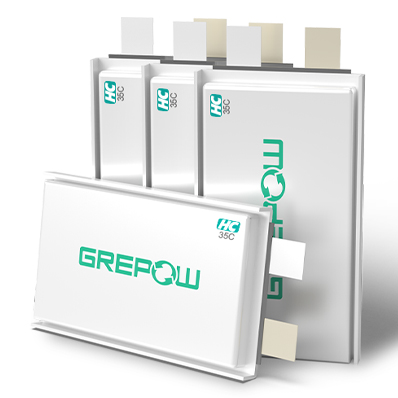
35C High Discharge Battery - High C Rate LiPo
-
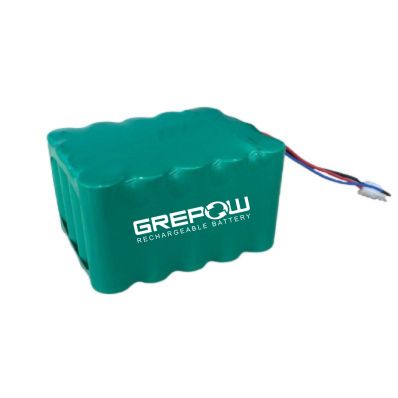
24V 10000mAh Mine NiMH Battery
Comment(0)
Comment( Your email address will not be disclosed. Required fields are marked as * )